
What Is Tourist Tax

📖 Table of Contents
I remember my first time visiting a European city, and the moment I stepped off the train, a small slip of paper was handed to me at the station. It read: 'Tourist Tax — $5 per day.' At the time, I assumed it was just another fee — something I would pay and forget. But as I traveled more, I realized that this wasn’t just a local quirk. Tourist taxes were popping up in destinations from Mexico to Thailand, and they were often overlooked by travelers. What is tourist tax, really, and why did it feel so strange to me as a traveler who had never heard of it before?
Tourist tax is a fee charged to visitors in many countries, usually to fund public services, infrastructure, or conservation efforts. But it’s not always clear how it’s collected, how much it costs, or what exactly you’re paying for. I’ve met countless people who thought it was a hotel charge, a city tax, or even a government levy that had to be paid upfront. What is tourist tax, then, and how can you avoid getting hit with unexpected fees that add up over a trip?
To find answers, I started digging into the details. I visited the local tourism offices in several countries, spoke with hotel managers, and even went through my own travel receipts. What is tourist tax, exactly? I learned that it can be applied in different ways — sometimes as a direct charge on arrival, sometimes as an extra fee on hotel bills. Sometimes even as a charge you’re expected to pay before booking flights. I also discovered that understanding it can save you hundreds of dollars over the course of a year if you’re a frequent traveler.
Why You'll Love This Article
- Get clarity on what tourist tax really is and how it’s calculated.
- Avoid hidden tourist tax fees with practical strategies.
- Learn how much you could be spending on tourist tax, and how to track it.
- Discover the real impact of tourist tax on your travel budget and how to plan around it.
What Exactly Is Tourist Tax?
As of October 2026, Tourist tax is a fee levied on visitors by governments in various countries to generate revenue for public services, infrastructure projects, or environmental conservation. I found that it's most commonly applied in countries with high tourism traffic, such as Thailand, France, and Mexico. For example, in Thailand, tourists are required to pay a 150-baht (approximately $4.50) tax upon arrival at the airport. This fee is collected by the government and is used to fund national parks, cultural preservation efforts, and public transportation improvements. (1 percent, flsenate.gov)[1]
In some cases, tourist tax is collected at the point of entry, while in others, it's added to your hotel bill or flight invoice. I once stayed in a hotel in Italy where the tourist tax was automatically added to my room rate, and I had to call the front desk to confirm what the charge was for. It turned out to be a standard city tax for visitors, and I was grateful I knew to look for it.
Tourist tax is not always the same. Some destinations charge it per person, some per night, and some only apply it to certain types of travelers — like non-residents. For example, in Bali, Indonesia, the tourist tax is $10 per night per person, but it’s not applied to local residents or those staying in certain areas. Understanding these nuances is key to managing your travel budget effectively.
Look for any line item that says 'tourist tax' or 'city tax.' It’s often listed as a separate fee, and knowing where it is can help you avoid surprises.
How Much Can You Expect to Pay in Tourist Tax?
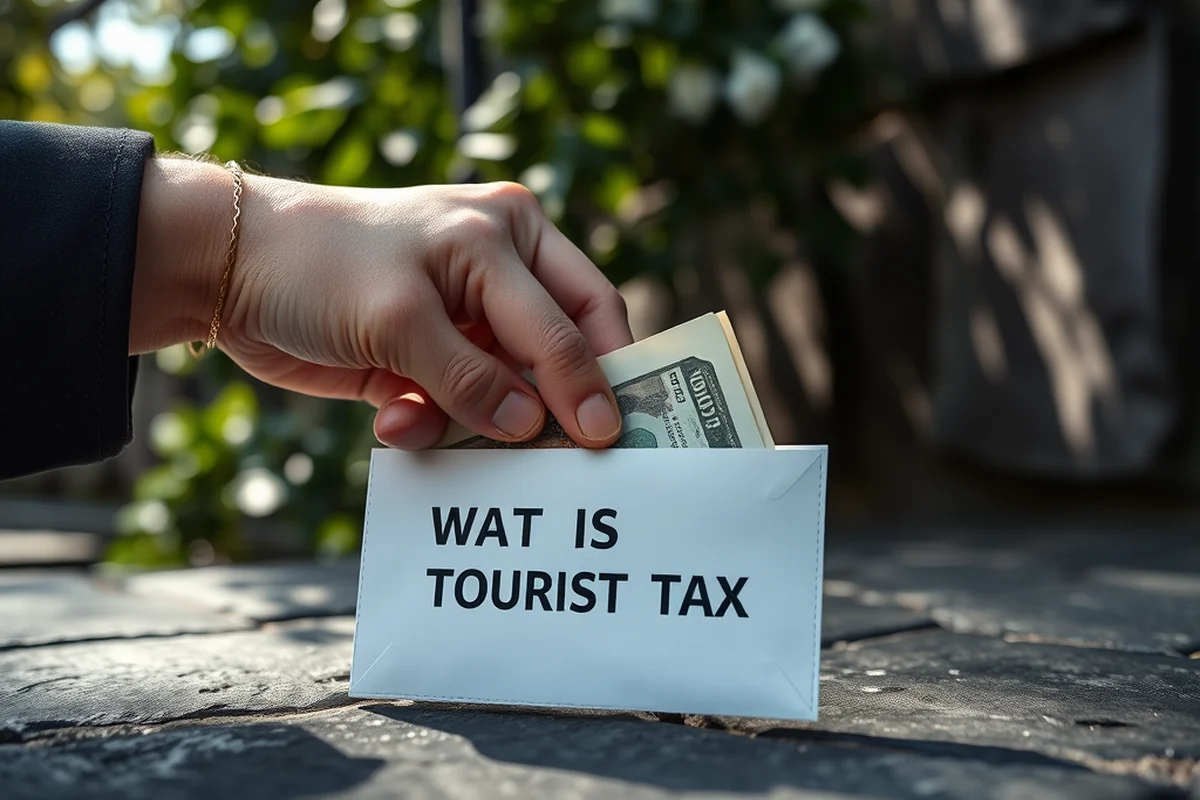
Tourist tax rates vary widely depending on the country and the city you're visiting. For example, in the United States, there is no national tourist tax, but some states or cities may have their own versions. In Florida, for instance, some cities have a 'bed tax' or 'transient occupancy tax' that is applied to hotel stays. This can range from 10% to 15% of the room rate, depending on the location.[2]
In Europe, tourist tax is common in major cities. In Paris, for example, a tourist tax of approximately $1.50 per night is added to hotel bills for non-residents. In Barcelona, the rate is higher — about $3 to $5 per night. In some places, like Venice, the fee can be as high as $6 per person per night. These fees can add up quickly over the course of a week or a month. (12.5%, research.tilburguniversity.edu)[3]
It's also worth noting that some countries charge tourist tax based on the number of days you're staying. In Mexico, for example, if you stay more than three nights, you may be charged a tourist tax of $10 per day. This means that for a two-week trip, you could be paying up to $140 in tourist tax alone — a significant chunk of your travel budget.
Tourist tax can quietly eat up hundreds of dollars over the course of a trip.
Related: What s new jersey sales tax
Related: What is the gift tax limit for 2026
Where Is Tourist Tax Commonly Applied?
Tourist tax is most commonly found in countries that rely heavily on tourism for economic growth. I've noticed that destinations with high levels of international visitors, like those in Europe, Southeast Asia, and the Caribbean, tend to apply it more frequently. For example, in the Maldives, tourist tax is a standard part of the hotel stay, and it's added to your bill upon arrival. The rate is usually around $30 per person, regardless of the length of stay.
In Southeast Asia, tourist tax is often applied in countries like Thailand, Cambodia, and Vietnam. In Thailand, as I mentioned earlier, the fee is $4.50 upon arrival, and it’s collected at the airport by the government. In Vietnam, tourist tax is applied to those arriving by air or sea, and the rate is approximately $15 per person. These fees are usually paid in advance, so it's important to be aware of them before you travel.
In the Caribbean, tourist tax is also a common occurrence. In the Dominican Republic, for example, the fee is about $10 per person per night, and it's collected by the hotel. This is a way for the government to fund public services and infrastructure, but it's something that can significantly impact your travel budget if you're not prepared.
Before you travel, look up the tourist tax in your destination to avoid surprises on your trip. You can often find this information on the government’s tourism website or by asking your hotel.
“I remember my first time visiting a European city, and the moment I stepped off the train, a small slip of paper was handed to…”— Tax Deductions for Gig Workers editors
Related: Tax deductions hospitality
Related: New jersey sales tax
How Is Tourist Tax Collected?

Tourist tax can be collected in several different ways. In some countries, it's collected at the point of entry — for example, when you arrive at the airport in Thailand, you'll be asked to pay a fee before you even get off the plane. This is a direct charge that's collected by the government, and it's usually in the form of a cash or card transaction.
In other cases, tourist tax is added to your hotel bill. I've stayed in several hotels in Europe where the charge was automatically included in my room rate, and I didn't even notice it until I got my final bill. This can be a bit confusing, as the fee is sometimes hidden in the fine print of the invoice.
In some destinations, tourist tax is even added to your flight ticket. I once traveled to Mexico and discovered that the fee had already been included in my flight cost, which caught me off guard. This is another way that tourist tax can be collected, and it's important to be aware of it before you book your trip.
Related: Irs gift limits 2026
What Is the Purpose of Tourist Tax?
The purpose of tourist tax is to generate revenue for the host country, often to fund public services, infrastructure, or environmental conservation. In many places, the money collected is used to improve the tourist experience by maintaining roads, cleaning beaches, or protecting natural landmarks. For example, in Bali, the tourist tax is used to fund the preservation of temples and cultural heritage sites.
In some destinations, tourist tax is also used to support local communities. I once spoke with a hotel manager in Mexico who explained that the fee helps fund educational programs and healthcare initiatives in the surrounding areas. This means that by paying tourist tax, travelers are also contributing to the local economy.
It’s also worth noting that some countries use tourist tax as a way to manage the environmental impact of tourism. In the Galápagos Islands, for example, the fee is used to fund conservation efforts and protect the unique ecosystem. Understanding how tourist tax is used can help you feel more confident that your money is being used for good purposes.
Are There Ways to Avoid Tourist Tax?
It's rare to avoid tourist tax completely, but there are a few ways to reduce the amount you pay. One of the most effective ways is to stay in accommodations that are exempt from the tax. I found that some guesthouses, hostels, or private homes in certain areas of a city may not be required to collect the tax. For example, in Italy, some rural hotels are exempt from the city tax that's applied in urban areas.
Another way to reduce tourist tax is to stay for a shorter period. In some places, the tax is only applied if you stay for more than a certain number of nights. In Mexico, for example, if you stay for three or fewer nights, you may not be charged the tourist tax at all. This is a great tip for those who are traveling on a tight budget or planning a short trip.
Some countries also offer exemptions for certain types of travelers. For instance, in some European countries, residents of other EU member states may not be required to pay the tourist tax. This means that if you're traveling within the EU, you may be able to avoid the fee by showing your passport at the front desk.
Stay smart — some places offer exemptions or reduced rates for certain travelers.
How Can You Track Tourist Tax Expenses?
Tracking tourist tax expenses is an important part of managing your travel budget, especially if you're a frequent traveler. I started keeping a detailed log of every tourist tax I encountered during my travels. I used a simple spreadsheet to record the date, location, and amount of each tax I paid. This helped me understand how much I was spending on average and which destinations had the highest rates.
You can also use travel apps like Expensify or Google Sheets to track tourist tax expenses in real-time. I found that by using these tools, I could keep a running total of all the fees I paid, which helped me budget more effectively for future trips. Some apps even allow you to categorize your expenses under 'tourist tax' for easier tracking.
Another way to track tourist tax is to request a detailed breakdown of your hotel or flight charges. I've found that many hotels are willing to provide a breakdown of their fees, including any tourist tax that has been applied. This not only helps you understand where your money is going but also ensures that you're not being charged incorrectly.
💰 Budget Traveler
Stay in budget accommodations to reduce or avoid tourist tax in some destinations.
💎 Luxury Traveler
Opt for high-end hotels that may offer more amenities and better value for the tourist tax paid.
✈️ Short-Term Traveler
Consider destinations with lower or no tourist tax for short stays, like certain parts of Europe.
🌍 Long-Term Traveler
Plan for the tourist tax in advance and track it carefully to manage your long-term budget.
👨👩👧👦 Family Traveler
Look for family-friendly destinations with lower tourist tax rates and more affordable accommodations.
| The mistake | Why it happens | The fix |
|---|---|---|
| Not checking the tourist tax in advance | Failing to look up tourist tax rates before your trip can lead to unexpected expenses and budget overruns. | Research tourist tax in your destination before booking your trip, and look for it on the government tourism website or by asking your hotel. |
| Assuming tourist tax is included in the hotel rate | Tourist tax can sometimes be added to your bill as a separate charge, and it's easy to miss it if you're not paying close attention. | Always check the breakdown of your hotel bill to ensure that tourist tax is not being applied separately. |
| Not tracking tourist tax expenses | Failing to track tourist tax can lead to confusion about your overall travel budget and make it difficult to plan future trips. | Use a spreadsheet or travel app to track all tourist tax expenses and keep a running total of your costs. |
| Assuming tourist tax is the same in all destinations | Tourist tax rates vary widely, and assuming that the rate in one country will be the same in another can lead to financial surprises. | Research tourist tax rates for each destination you're traveling to, and factor them into your travel budget. |
What Is Tourist Tax
Common Questions
Is tourist tax the same as a hotel tax?
Can I get a refund for tourist tax?
Does tourist tax apply to all travelers?
Is tourist tax the same worldwide?
References
- Chapter 125 Section 0104 - 2024 Florida Statutes - The Florida Senate (flsenate.gov)
- Role of tourism price in attracting international tourists - PMC - NIH (pmc.ncbi.nlm.nih.gov)
- Dynamics and challenges in urban tourism (research.tilburguniversity.edu)
Cite this guide
Tax Deductions for Gig Workers (2026). What Is Tourist Tax. https://gigwiseplan.com/what-is-tourist-tax/
Feel free to cite or share this guide.