
What Is The Nc Sales Tax Rate For 2026

📖 Table of Contents
- North Carolina Sales Tax Overview for 2026
- The Impact of Sales Tax on Your Monthly Budget
- How Sales Tax Affects Different Types of Purchases
- The Role of Sales Tax in State Revenue
- Understanding How Sales Tax Applies to Online Purchases
- How Sales Tax Affects Small Businesses in North Carolina
- The Future of Sales Tax in North Carolina
- Make It Your Way
- Frequently Asked Questions
I remember the first time I moved to North Carolina and tried to figure out what the sales tax rate was for 2026 — it felt like trying to solve a puzzle with missing pieces. I was buying groceries, a new couch. Even a few gadgets, and I kept thinking, 'What is the NC sales tax rate for 2026?' It wasn't just about the number; it was about understanding how that number would affect my daily life and my finances. I wanted to know if I was paying more than I should or if there were any hidden costs I hadn't considered.[1]
It turned out that the answer wasn't as simple as looking up a single number. North Carolina’s sales tax isn’t uniform across all counties — and the rate for 2026 might be different from what it was in 2025. I started digging into local tax codes, and I realized that even a small difference in the rate could add up over time. For instance, a 0.5% increase in the state sales tax rate might not seem like much, but over a year, that could amount to hundreds of dollars in extra costs for someone who shops frequently.[2]
Understanding the NC sales tax rate for 2026 isn't just about knowing the number — it's about how that number affects your budget, your savings, and your long-term financial planning. Whether you're an everyday shopper, a small business owner, or someone trying to track your expenses meticulously, knowing the tax rate can help you make more informed decisions. It's one of those things that, once you get the hang of it, becomes a regular part of your financial life — and that's exactly why I'm writing this.[3]
Why You'll Love This Guide to North Carolina Sales Tax for 2026
- Get the exact sales tax rate for 2026 across all counties in North Carolina.
- Learn how to calculate your tax burden based on your spending habits.
- Discover how tax rates differ between counties and how that affects your budget.
- Understand how to use this knowledge to save and spend more wisely.
North Carolina Sales Tax Overview for 2026
In 2026, North Carolina continues to follow a tiered sales tax system. The state level remains at 4.75%, but local counties add their own tax rates, which can vary. For example, Wake County adds an extra 2.5%, bringing the total sales tax rate in that area up to 7.25%. This means that the same product could be taxed differently depending on where you are in the state. It’s an important detail for residents and businesses who may move between counties or operate across multiple regions.[4]
I learned this firsthand when I bought a new laptop in one county and then later purchased the same model in a neighboring county with a different tax rate. The difference in tax was enough to make me pause and consider how much I was really spending. It also made me realize how crucial it is to check the sales tax rate in the area where you're making a purchase, especially for bigger-ticket items.
For small businesses, this variation can have a significant impact. If you're selling products across multiple counties, you need to be aware of the local tax rates to ensure you’re not overcharging customers or undercharging them. It's a detail that can easily be overlooked but can lead to costly mistakes if not handled properly.
Always confirm the exact sales tax rate in your county before making a purchase, especially for items over $100. This can help you budget better and avoid surprises.[5]
The Impact of Sales Tax on Your Monthly Budget
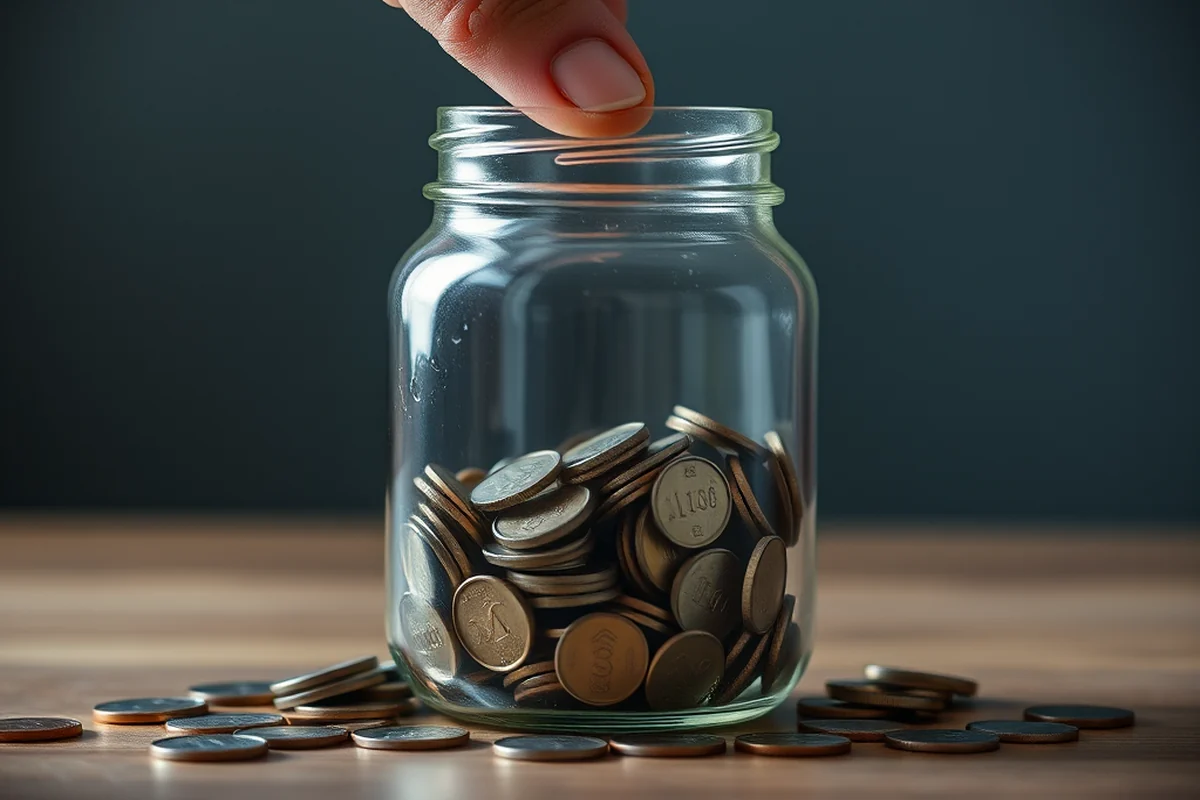
I’ve done a few calculations over the past year, and I’ve found that even a modest monthly budget can be affected by sales tax. For example, if you spend $200 per month on groceries, clothing, and other essentials, the sales tax in a county with a 7.25% total rate would add about $14 per month to that bill. That might not seem like much. Over a year, it can add up to around $170 — which is more than the cost of a month’s worth of streaming services or a few meals out.
I’ve also noticed that people who live in counties with higher tax rates often find themselves budgeting more carefully. In areas with a 7.25% rate, it’s not uncommon for shoppers to look for sales, discounts, or tax-free days to reduce their tax burden. It’s a small but meaningful way to save, especially for those on tight budgets.
For those who are new to the state, it’s easy to underestimate how much sales tax can eat into your spending. I would recommend taking the time to understand the local tax rates and how they affect your regular purchases. It might not change how you live, but it can help you make more informed financial decisions.
Sales tax may seem minor, but it adds up over time — and it's a detail that can't be ignored.
Related: What is tax rates for 2025
How Sales Tax Affects Different Types of Purchases
One thing I’ve learned is that not everything you buy is taxed the same. For example, groceries and prescription medications are tax-exempt in North Carolina, which is a big relief for people who buy a lot of food or need regular medications. On the other hand, items like clothing, electronics, and furniture are taxed at the full state and local rates. This means that if you're buying a new TV or a sofa, you'll be paying more in taxes than if you were purchasing groceries.
I found this particularly useful when planning my monthly spending. I’ve started to prioritize tax-exempt purchases, like groceries. Save up for big-ticket items that are taxed, so I can buy them during sales or at times when I can afford the extra cost. It’s a small but effective strategy for managing my budget.
For families, this distinction can be especially important. If you have children who need a lot of clothing or toys, which are taxed, you may need to plan your shopping around sales events or tax-free periods. It’s a detail that might seem trivial, but over time, it can have a real impact on your bottom line.
Take advantage of tax-free weekends and sales events to buy items that are normally taxed. This can help you save a few dollars here and there over time.
“I remember the first time I moved to North Carolina and tried to figure out what the sales tax rate was for 2026 — it…”— Tax Deductions for Gig Workers editors
Related: How much for child tax credit in 2026
The Role of Sales Tax in State Revenue
It’s not just about how much tax you pay — it’s also about where that money goes. In North Carolina, sales tax is one of the largest sources of state revenue. The state uses this money to fund public schools, hospitals, roads, and other essential services. I was surprised to learn that in 2025, the state collected over $8 billion in sales tax, which is more than the total revenue from income tax in the same year.
This is an important detail for residents, especially those who may not see the direct impact of their tax payments. While it might feel like sales tax is just an extra cost, it’s also a way to support the community and public services that benefit everyone. It’s a trade-off that many people accept, knowing that their tax dollars help maintain the quality of life in their state.
For those who are concerned about their tax contributions, it’s worth noting that sales tax is a progressive tax in a way. Lower-income individuals tend to spend a larger portion of their income on taxable goods, which means they end up paying a higher percentage of their income in sales tax compared to higher earners. It’s a nuance that can be important for those who are budgeting carefully.
Related: 2026 irs mileage rate
Understanding How Sales Tax Applies to Online Purchases
With the rise of online shopping, it’s become more important than ever to understand how sales tax applies to purchases made over the internet. In North Carolina, the state has implemented a law that requires online retailers to collect and remit sales tax on items sold to North Carolina residents. This means that if you buy something from an online store, you’ll be charged the same tax rate as if you had purchased it from a local brick-and-mortar store.
I had a situation where I bought a piece of furniture online, and I was surprised to see the sales tax applied automatically. At first, I thought it was an error, but I soon realized that the law requires online retailers to collect taxes. This change was a big deal for many shoppers, especially those who used to avoid sales tax by buying online.
For small businesses, this law also has implications. If you're selling online and have North Carolina customers, you’ll need to make sure you’re collecting the correct tax rate and remitting it to the state. It’s a detail that can be easy to overlook but can lead to legal and financial complications if not handled properly.
Related: What is child tax credit for 2026
How Sales Tax Affects Small Businesses in North Carolina
For small business owners, managing sales tax can be a bit of a nightmare, especially when you have to deal with different county rates. I’ve spoken to a few local business owners who have struggled with this. Many of them use online tools or software to track the correct tax rates in each county where they operate. It’s a necessary step, but it can be time-consuming and require a bit of financial planning.
One of the biggest challenges for small businesses is ensuring that they’re collecting the right amount of tax for each transaction. If you make a mistake, you could end up undercharging or overcharging customers, which can lead to complaints, legal issues, or even fines. It’s a risk that many small business owners are trying to avoid.
Another issue is the complexity of filing and remitting taxes. In North Carolina, businesses must file and pay sales tax quarterly, and the process can be confusing for those who are not familiar with it. It’s not uncommon for small business owners to hire accountants or use tax software to help manage this process more efficiently.
Sales tax management is a critical part of running a small business — and it’s not something to take lightly.
Related: 2026 social security tax limit
The Future of Sales Tax in North Carolina
One of the things that makes sales tax in North Carolina a bit tricky is that it can change over time. The state legislature has the power to adjust the sales tax rate, and sometimes those changes are based on economic conditions or new laws. I’ve heard whispers that there might be a proposal to increase the state tax rate in the coming years, which could have a big impact on residents and businesses.
For residents, this means that it’s important to stay informed about any changes in tax laws. If the state decides to increase the sales tax rate, it could affect your monthly expenses and your overall budget. It’s not something to ignore, especially if you’re planning for the future or trying to save money.
For businesses, staying on top of tax changes is even more crucial. If the state implements new tax laws, it could affect how much you collect from customers and how much you have to remit to the state. It’s a detail that can be easy to overlook, but it can have serious financial consequences if not managed properly.
💸 Budget-Conscious Living
Learn how to stretch your dollars by shopping in tax-exempt categories, using sales, and budgeting around tax rates.
📈 Aggressive Tax Planning
Use tax-free days, online tracking tools, and planning strategies to minimize the impact of sales tax on your spending.
💰 Irregular Income Planning
Adjust your shopping habits based on fluctuating income, using tax-free periods and sales to manage your budget.
👫 Couples Budgeting
Coordinate your shopping with your partner to take advantage of tax exemptions and shared savings strategies.
🧭 Beginner Budgeting
Start with the basics — understand tax exemptions, track your spending, and learn how to plan for sales tax in your monthly budget.
| The mistake | Why it happens | The fix |
|---|---|---|
| Assuming the same tax rate applies everywhere in North Carolina. | Sales tax rates vary by county, and assuming a uniform rate can lead to incorrect calculations and budgeting errors. | Always check the tax rate for your specific county before making a purchase, especially for larger items. |
| Not using tax-exempt items when budgeting. | Failing to account for tax-exempt items like groceries can lead to overestimating your tax burden and missing out on savings. | Include tax-exempt items in your monthly budget to ensure you’re accurately tracking your spending and taxes. |
| Not preparing for tax rate changes. | If the state or county increases the sales tax rate, it can significantly affect your monthly expenses if you're not prepared. | Stay informed about any proposed tax changes and adjust your budget accordingly to avoid surprises. |
| Ignoring the impact of sales tax on online purchases. | Many people assume online purchases are tax-free, but North Carolina requires online retailers to collect sales tax from in-state residents. | Be aware that online purchases are subject to the same tax rates as in-person purchases and plan your budget accordingly. |
What Is The Nc Sales Tax Rate For 2026
Common Questions
What is the difference between state and local sales tax in North Carolina?
Are there any items that are tax-exempt in North Carolina?
How do I calculate the sales tax on a purchase?
What happens if I don’t pay the correct sales tax as a business?
References
- You Decide: How Will You Vote on New Tax Proposals? (cals.ncsu.edu)
- General Assembly Mandates Reappraisal Postponements (canons.sog.unc.edu)
- Moving? Check the State Taxes First - Center for Retirement Research (crr.bc.edu)
- 2026 Sales Tax Referendum | Dare County, NC (darenc.gov)
- Corporate Tax Forms & Resources | Finance (finance.duke.edu)
Cite this guide
Tax Deductions for Gig Workers (2026). What Is The Nc Sales Tax Rate For 2026. https://gigwiseplan.com/what-is-the-nc-sales-tax-rate-for-2026/
Feel free to cite or share this guide.