
Gwinnett County Property Tax

📖 Table of Contents
- What is Gwinnett County Property Tax and Who Pays It?
- How Is Gwinnett County Property Tax Calculated?
- What Determines the Value of Your Property in Gwinnett County?
- Understanding Gwinnett County’s Budget and Where Your Taxes Go
- How to Pay Your Gwinnett County Property Tax and What to Do If You Can’t
- What Happens If You Don’t Pay Your Property Tax in Gwinnett County?
- How to Reduce Your Gwinnett County Property Tax Bill
- Make It Your Way
- Frequently Asked Questions
I still remember the day I opened my mail and saw a Gwinnett County property tax bill that felt like a punch to the gut. I had moved into my new home just a few months earlier, and suddenly, there was this unexpected burden looming. It was then that I realized I needed to understand Gwinnett County property tax better — not just as a number on a page. As a part of my financial life that I could manage and even optimize.
Gwinnett County is one of the fastest-growing areas in Georgia, and with that growth comes rising property values and, consequently, property taxes. I started digging into how the system works, what determines the rate, and where the money goes. What I found wasn't just a line item on a bill — it was a chance to influence my financial future and even reduce my tax burden through smart strategies.
My journey led me to talk to local tax assessors, read through county budgets, and even walk through a few neighborhoods to understand how property value estimates are made. What I learned surprised me — and it's this knowledge that I now want to share with anyone navigating Gwinnett County property tax. Whether you're a first-time homeowner or someone who's been here for years, this article will give you the tools to take control.
Why You'll Love This Guide to Gwinnett County Property Tax
- Learn exactly how your property is valued and what factors affect your tax rate.
- Discover practical steps to reduce your tax burden legally and effectively.
- Understand the local budget and where your tax dollars go, giving you peace of mind.
- Get real-life strategies from locals who have successfully managed their property tax payments.
What is Gwinnett County Property Tax and Who Pays It?
As of November 2026, if you own any real property in Gwinnett County — whether it's your primary residence, a rental home, or commercial property — you're legally obligated to pay property tax. The tax is based on the assessed value of the property, and it's collected by the county government to fund essential public services.
The assessed value is typically a percentage of the market value, and this percentage can vary slightly each year. For example, in 2023, the county used an assessment ratio of 40% for residential properties, meaning that only 40% of the market value is used to determine the taxable value. (100%, dekalbcountyga.gov)[1]
Property tax is calculated by multiplying the taxable value by the tax rate. In 2023, the average tax rate in Gwinnett County was around $2.50 per $100 of assessed value. For a home assessed at $200,000, that would be a $5,000 annual tax payment.
Check your county's official website for the current assessment ratio to ensure your tax calculation is accurate.
How Is Gwinnett County Property Tax Calculated?

Understanding the formula behind your Gwinnett County property tax can help you spot errors and potentially save money. The formula is: Assessed Value x Tax Rate = Annual Tax Payment. The assessed value is usually 40% of the market value, but it can be lower or higher depending on recent appraisals or changes in the county’s policy. ($56, gao.gov)[2]
For example, if your home has a market value of $300,000 and the assessment ratio is 40%, your assessed value is $120,000. If the tax rate is $2.50 per $100, your tax would be $3,000 per year. This means that even a small change in the tax rate or assessed value can impact your total bill significantly. (100%, brookscountyga.gov)[3]
It's also important to note that there are exemptions and credits available. Homeowners over 65 or with disabilities may qualify for a homestead exemption that can reduce their tax burden by up to 50% of their assessed value.
Understanding the math behind your tax bill can help you avoid overpayment and spot errors quickly.
Related: A property tax bill
What Determines the Value of Your Property in Gwinnett County?
The value of your property is determined by the county’s tax assessor, who uses a combination of factors, including the size of your home, the number of rooms, the quality of the materials. Recent sales in your neighborhood. For example, homes in highly desirable areas like Lawrenceville or Duluth may have higher assessed values due to their proximity to schools and amenities.
Another factor is the age of the property. Newer homes often have higher values due to modern features and energy efficiency, while older homes may have lower assessed values if they require significant repairs. In my own experience, I saw a 10-year-old home in a similar neighborhood assessed at $20,000 more than a home of the same size built 20 years earlier.
Market conditions also play a role. If the housing market is booming, assessed values can rise even faster than the actual market value. This can lead to sudden increases in your tax bill, which is why it's important to monitor your property's assessed value regularly.
If you believe your property's assessed value is too high, you can request a reassessment by contacting the county tax office and providing documentation such as a recent appraisal or similar home sales.
“I still remember the day I opened my mail and saw a Gwinnett County property tax bill that felt like a punch to the gut.”— Tax Deductions for Gig Workers editors
Related: How to income tax return
Understanding Gwinnett County’s Budget and Where Your Taxes Go
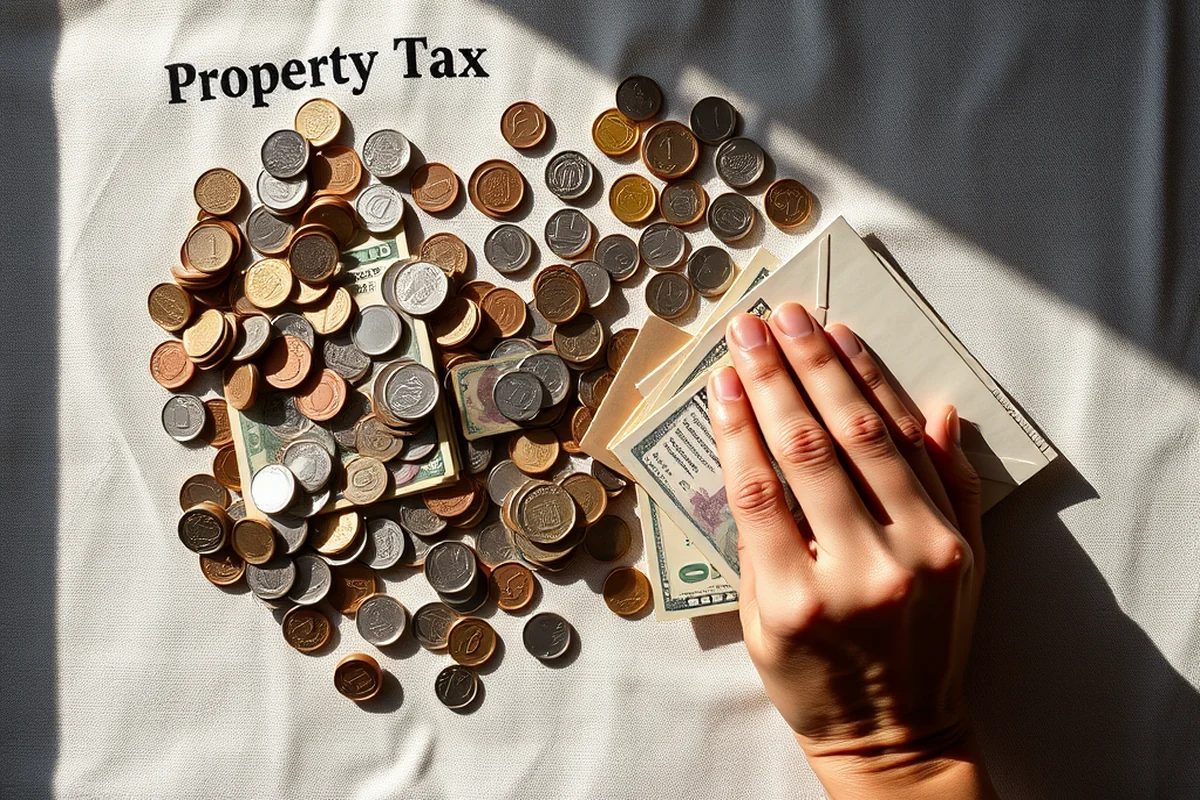
In Gwinnett County, property tax revenue is distributed among various departments and agencies to support public services. A significant portion goes toward public schools, which is a major reason why property taxes are so high. In 2023, nearly 40% of the county’s budget came from property taxes, with about 30% of that going to education alone.
Other major recipients of property tax revenue include road maintenance, police and fire departments, and public health initiatives. For example, in 2022, Gwinnett County spent over $300 million on road improvements and another $150 million on public safety, much of it funded by property taxes.
Understanding how your tax dollars are used can give you a sense of where your money is going and whether you're getting value for your contribution. Some residents even use this information to support local ballot measures or advocate for better allocation of funds.
Related: My tax illinois
How to Pay Your Gwinnett County Property Tax and What to Do If You Can’t
Paying your property tax is straightforward, with multiple payment methods available. The easiest option is to pay online through the county’s official website, which allows you to make payments using a credit card, debit card, or e-check. This method is fast and secure, with immediate confirmation of payment.
If you prefer to pay in person, you can visit the Gwinnett County Tax Commissioner’s office in Lawrenceville. They accept cash, check, or credit card. It's also possible to pay by mail using a pre-printed envelope provided by the county.
If you're having trouble paying your property tax, you should contact the office immediately. They may be able to offer a payment plan or assistance programs for those in financial hardship. In some cases, late payments can result in penalties or even legal action, so it's best to address any issues as soon as possible.
Related: How to federal taxes
What Happens If You Don’t Pay Your Property Tax in Gwinnett County?
Failing to pay your property tax in Gwinnett County can lead to serious consequences. One of the first things that happens is the accrual of interest and penalties on the overdue amount. In 2023, the county charged a 10% penalty on unpaid taxes, along with a 1% monthly interest rate.
If you don’t pay within a certain period, the county can place a lien on your property. This lien can make it difficult to sell or refinance your home, as it appears on your credit report. In extreme cases, the county may even initiate a tax sale, where your property is sold to pay off the overdue taxes.
To avoid these issues, it's crucial to stay on top of your payments. Even if you're going through financial hardship, it's better to communicate with the county than to let the situation escalate.
Don’t ignore your property tax bill — it can cost you more than you think.
Related: Irs withholding calculator
How to Reduce Your Gwinnett County Property Tax Bill
One of the most effective ways to reduce your property tax is to apply for a homestead exemption, which can significantly lower your taxable value. For example, if you're over the age of 65 or have a disability, you can apply for an exemption that reduces your tax bill by up to 50% of your assessed value.
Another strategy is to challenge your property's assessed value if you believe it's too high. This can be done by contacting the county tax office and providing evidence, such as a recent appraisal or similar home sales in your neighborhood.
Finally, taking advantage of other exemptions and credits, such as those for veterans or energy-efficient homes, can also help reduce your tax bill. For instance, in 2023, a veteran with a qualifying disability received a $2,000 credit toward their property tax.
💰 Budget-Friendly Strategy
Focus on exemptions and credits to reduce your tax bill without spending extra.
🎯 Aggressive Tax Reduction
Challenge your assessed value and apply for all available exemptions to maximize savings.
📈 Irregular Income Plan
Create a flexible payment plan that allows for fluctuations in income without facing penalties.
🤝 Couples’ Strategy
Combine exemptions and credits to reduce the tax burden for both spouses.
📚 Beginner’s Approach
Start with the basics: apply for homestead exemptions and understand your tax bill.
| The mistake | Why it happens | The fix |
|---|---|---|
| Ignoring your property tax bill because it seems too high. | This can lead to penalties, liens, and even the loss of your home. | |
| Not applying for homestead exemptions or credits. | This can result in paying more than necessary, especially if you're over 65 or have a disability. | |
| Assuming your property's assessed value is accurate without verification. | It may be overvalued, leading to higher tax bills than necessary. | |
| Not understanding where your tax dollars are going. | This can make it difficult to advocate for better use of funds or determine if your taxes are fair. | |
| Paying your property tax late, even by a few days. | This can result in interest and penalties, which can add up over time. | |
| Assuming that your property tax will stay the same every year. | Market conditions and assessed values can change, leading to sudden increases in your tax bill. |
Gwinnett County Property Tax
Common Questions
Can I appeal my property tax if I believe it's too high?
What is the homestead exemption, and who qualifies?
How long does it take to get a reassessment of my property?
Are there any tax credits available for veterans or energy-efficient homes?
References
- Property Appraisal | DeKalb County, GA (dekalbcountyga.gov)
- GAO-10-231, Recovery Act: Status of States' and Localities' Use of ... (gao.gov)
- board of tax assessors (brookscountyga.gov)
Cite this guide
Tax Deductions for Gig Workers (2026). Gwinnett County Property Tax. https://gigwiseplan.com/gwinnett-county-property-tax/
Feel free to cite or share this guide.